
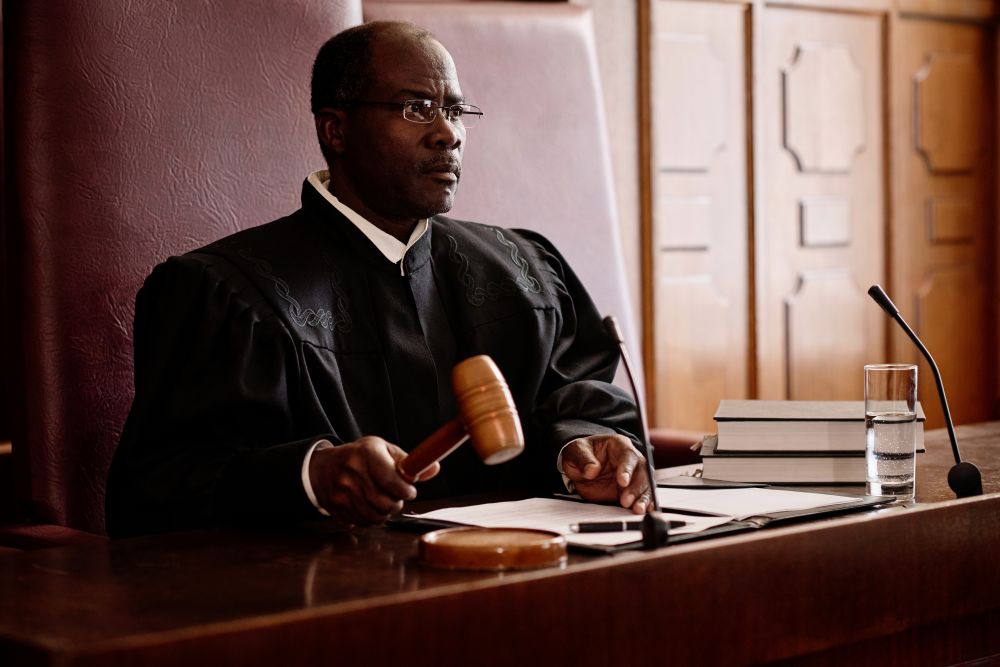

George Kingsley Acquah stands out in Ghana’s legal history. His ties to the george kingsley acquah ghana school of law story show a man who rose from simple beginnings to lead the nation’s top court. Born in 1942 in Sekondi, he grew up in a home that prized hard work and learning. This base set him on a path to study law and serve justice. People recall him as calm and fair, traits that marked his career. His time at the Ghana School of Law shaped him, and he gave back by guiding others. This article dives into his life, work, and impact on law in Ghana.
Early Years: Building a Strong Foundation
George Kingsley Acquah came into the world on March 4, 1942, in Sekondi, part of the British Gold Coast, now Ghana. His parents, Isaac Yankson and Beatrice Acquah, raised him with values of duty and respect. A stepfather, Isaac Charles Acquah, helped guide him too. Young George moved around for school, attending places like Half Assini Methodist School and Cape Coast Methodist School. These shifts taught him to adapt and focus.
Teachers saw his sharp mind early. He read books beyond his age and asked questions that showed deep thought. At Adisadel College in Cape Coast from 1957 to 1963, he shone in studies. This time built his love for order and reason, key to law. Friends remember him as helpful, always ready to share notes or explain tough ideas.
His family faced hard times, but they stressed education as a way up. George took this to heart. He worked odd jobs to help at home while keeping top grades. This grit carried him to higher learning. In 1964, he joined the University of Ghana, Legon, for a B.A. in philosophy. He finished with honors in 1967. Philosophy honed his skills in logic and ethics, perfect for law.
Path to Law: Education and Training
After philosophy, George turned to law. He earned an LL.B. with honors from the University of Ghana in 1970. But to practice, he needed more. He entered the Ghana School of Law that year. There, he gained a Professional Certificate in Law by 1972. This step marked his call to the Bar.
At the george kingsley acquah ghana school of law, classes focused on real skills. Students learned to argue cases, draft papers, and uphold ethics. George stood out for his calm debates and clear writing. Instructors praised his grasp of evidence and procedure. He joined moot courts, mock trials that built confidence. These experiences showed him law as service, not just rules.
The school, set up in 1958, trains lawyers for Ghana’s needs. George saw its role in building a fair system. He studied hard, often late into the night. Peers say he helped others, forming study groups. This teamwork spirit stayed with him. Later, as a leader, he pushed for better teaching at the school.
His education mixed theory and practice. Courses covered contract law, criminal procedure, and constitutional matters. George linked these to Ghana’s post-independence growth. He read cases from courts worldwide, broadening his view. By graduation, he felt ready to serve.
Starting in Practice: Private Legal Work
In 1972, George began private practice in Cape Coast. He handled cases in family law, land disputes, and business deals. Clients trusted him for straight talk and fair fees. He listened well, explaining options simply. This built his name fast.
For 17 years, until 1989, he worked in courts across regions. He argued before judges, learning from wins and losses. One key case involved land rights for farmers. George won by showing clear evidence, helping many families. Stories like this spread, drawing more clients.
He joined bar groups, sharing ideas with other lawyers. This network helped him grow. He wrote articles on legal topics for journals. These pieces showed his deep knowledge. All this prepared him for bigger roles.
Rise in the Judiciary: From High Court to Supreme Court
In 1989, leaders saw George’s skill. They named him a High Court Judge in Ho, Volta Region. He handled criminal and civil cases with fairness. Parties left court feeling heard, even if they lost.
By 1994, he moved to the Court of Appeal. Here, he reviewed lower court decisions. His rulings were clear and based on law. Colleagues admired his quick grasp of facts. In 1995, President Jerry Rawlings picked him for the Supreme Court. This top role let him shape national law.
As a Supreme Court Justice, George dealt with big issues like rights and governance. He wrote opinions that guided future cases. One focused on free speech, upholding press freedom. Another protected workers’ rights in labor disputes.
His work earned respect. In 2003, President John Kufuor made him Chief Justice. He became the 23rd in Ghana’s history, 11th since independence. This peak role came with big duties.
Leading as Chief Justice: Reforms and Changes
As Chief Justice, George tackled court problems. Delays, lost files, and low trust plagued the system. He acted fast to fix them.
He set up better registries. Clerks got training on filing and tracking. This cut wait times. He pushed timelines for cases, holding judges accountable.
Key reforms he led:
- Simplified forms for filings, making them easy for all.
- Clear procedures for hearings, reducing confusion.
- Guidance books for staff, ensuring consistent work.
- Legal aid boosts, helping poor people access courts.
- Case tracking tools, letting parties check status.
These changes made courts run smoother. People saw quicker justice. George also focused on ethics. He chaired the Disciplinary Committee, dealing with bad conduct. He stressed honesty in all roles.
He modernized with tech where possible. Digital records started in some courts, cutting paper loss. He backed training for judges through the Institute of Continuing Judicial Education, which he led as Board Chair.
Under him, public trust grew. Surveys, though not formal, showed better views of courts. He spoke at events, explaining law to citizens. This openness helped.
Bond with Ghana School of Law: Mentorship and Influence
George never forgot his roots at the george kingsley acquah ghana school of law. He visited often, giving talks on practice. Students hung on his words, learning from his stories.
He pushed for updates in teaching. He wanted courses to match real court needs. “Teach ethics with heart,” he said in one speech. He helped expand libraries with key books and judgments.
Ways he shaped the school:
- Added moot courts for hands-on skills.
- Brought in guest judges for seminars.
- Stressed real Ghana cases in ethics classes.
- Backed research on local law issues.
- Mentored young lawyers post-graduation.
As External Examiner, he tested on evidence law. His fair marking helped standards. Faculty saw him as a bridge between school and courts.
He viewed the school as vital for Ghana’s future. It trains not just lawyers, but leaders in government and business. George urged students to serve the poor and uphold truth.
His influence lasts. Many grads credit him for their success. One said, “He taught us law is about people, not just books.”
Achievements and Honors: Recognition for Service
George’s work brought awards. In 2006, he got the Member of the Order of the Star of Ghana (MSG). This top honor noted his justice contributions.
He held many chairs, like the Judicial Council and Rules Committee. These roles let him guide policy.
Internationally, he advised on family planning law as Honorary Legal Adviser for the International Planned Parenthood Federation. He joined the Africa Regional Council too.
In Ghana, he led the National Committee on Child Rights. This protected kids through better laws.
His writings in journals like the Banking and Financial Law Journal shaped finance law. As Editorial Advisor, he ensured quality.
George’s legacy includes fair rulings cited today. Cases on rights and procedure guide judges.
Challenges Faced: Overcoming Hurdles in the System
No path is smooth. As Chief Justice, George dealt with backlog cases. Some piled up for years. He cleared many by assigning teams.
Corruption whispers hit courts. George fought this with strict rules. He removed bad apples quietly but firmly.
Budget limits slowed tech upgrades. He lobbied government for more funds, getting some wins.
Public doubt lingered from past issues. George rebuilt trust with open doors and clear talks.
Through it all, he stayed calm. “Justice takes time, but not forever,” he often said.
Personal Life: Family and Values
George married Jane Acquah, a steady partner. They raised six children with the same values he learned young.
Family time mattered amid busy days. He read to kids and shared stories. Weekends brought simple joys like walks or talks.
His faith guided him. Methodist roots shaped his ethics. He gave to charities quietly.
Health issues came later. Cancer struck, but he worked on till the end. He passed on March 25, 2007, at 65 in Accra.
Broader Impact: On Ghana’s Legal Landscape
George changed how courts work. His reforms sped justice, helping everyday Ghanaians.
He boosted women’s roles in law. As Chief Justice, he backed female judges. Georgina Wood, his successor, was Ghana’s first woman in that role.
He linked law to development. Better courts aid business and rights, growing the economy.
In education, his push at the Ghana School of Law improved training. More grads now serve well.
Regionally, he shared ideas at forums. Ghana’s system gained from this exchange.
Lessons for Today’s Lawyers: Practical Advice
George’s life offers tips for new lawyers. Follow these to succeed:
- Prepare thoroughly: Know facts cold before court.
- Speak plainly: Avoid fancy words; judges value clarity.
- Listen well: Hear all sides for fair calls.
- Uphold ethics: Honesty builds lasting trust.
- Help others: Mentor juniors as George did.
- Stay humble: Learn from every case.
- Meet deadlines: Late work hurts clients.
- Dress right: Respect the court with proper attire.
Teachers, model these. Set clear tasks and praise effort.
For resources on teaching law, check TeacherEase, a helpful site for educators.
Why His Story Matters Now
In today’s fast world, George’s calm approach reassures. Ghana faces new issues like cyber law and climate rights. His focus on basics—fairness, access—guides still.
Students at the Ghana School of Law study his rulings. They see how one person shapes a nation.
His bond with the school shows giving back pays off. It creates better lawyers for tomorrow.
FAQs on George Kingsley Acquah Ghana School of Law
What role did George Kingsley Acquah play at the Ghana School of Law?
He studied there, earned his certificate, and later examined and mentored.
How did george kingsley acquah ghana school of law connection influence reforms?
He pushed practical teaching and ethics, improving the curriculum.
What were his key achievements as Chief Justice?
Reforms cut delays, boosted aid, and raised ethics.
Why study his life for law students?
It teaches service, grit, and fair practice.
How can I learn more about Ghana’s legal history?
Read bios and visit court sites.
Conclusion
George Kingsley Acquah left a mark on Ghana’s law through hard work and vision. From student at the george kingsley acquah ghana school of law to Chief Justice, he built fairer courts and better education. His reforms sped justice, his mentorship shaped minds, and his ethics inspired trust. Today, his legacy lives in rulings, grads, and improved systems. What lessons from George Kingsley Acquah will you apply in your own path to justice?
References
- Wikipedia – George Kingsley Acquah – Detailed biography and career timeline.
- Lancaster University Ghana – George Kingsley Acquah – Profile of a legal professional, offering insights into modern law practice in Ghana.
- Tenant Law Guide – George Kingsley Acquah Ghana School of Law – In-depth article on his influence and student guide.