
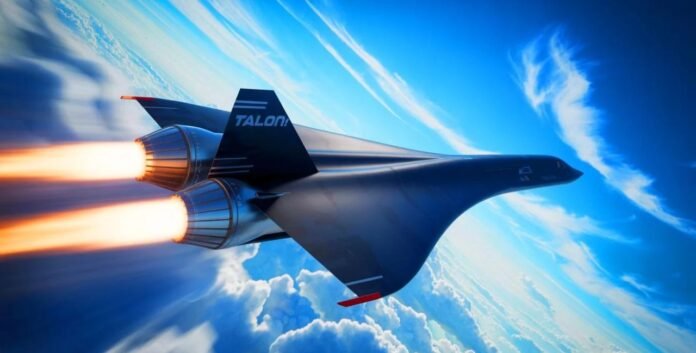

The world of aerospace pushes boundaries every day. Engineers build vehicles that fly faster than sound. One breakthrough stands out: the h13 engines hypersonic vehicle talon-a. This system combines advanced propulsion with reusable design. It helps the U.S. stay ahead in high-speed flight. Ursa Major, a Colorado-based company, leads this effort. They partner with Stratolaunch to test hypersonic tech. The H13 is an upgraded version of the Hadley engine. It powers the Talon-A, a test vehicle that reaches speeds over Mach 5. This means flying more than five times the speed of sound. Such speeds open doors for defense and space missions. In this article, we dive into the background, how it works, key achievements, and what comes next. We keep things simple so anyone can follow.
Understanding Hypersonic Flight Basics
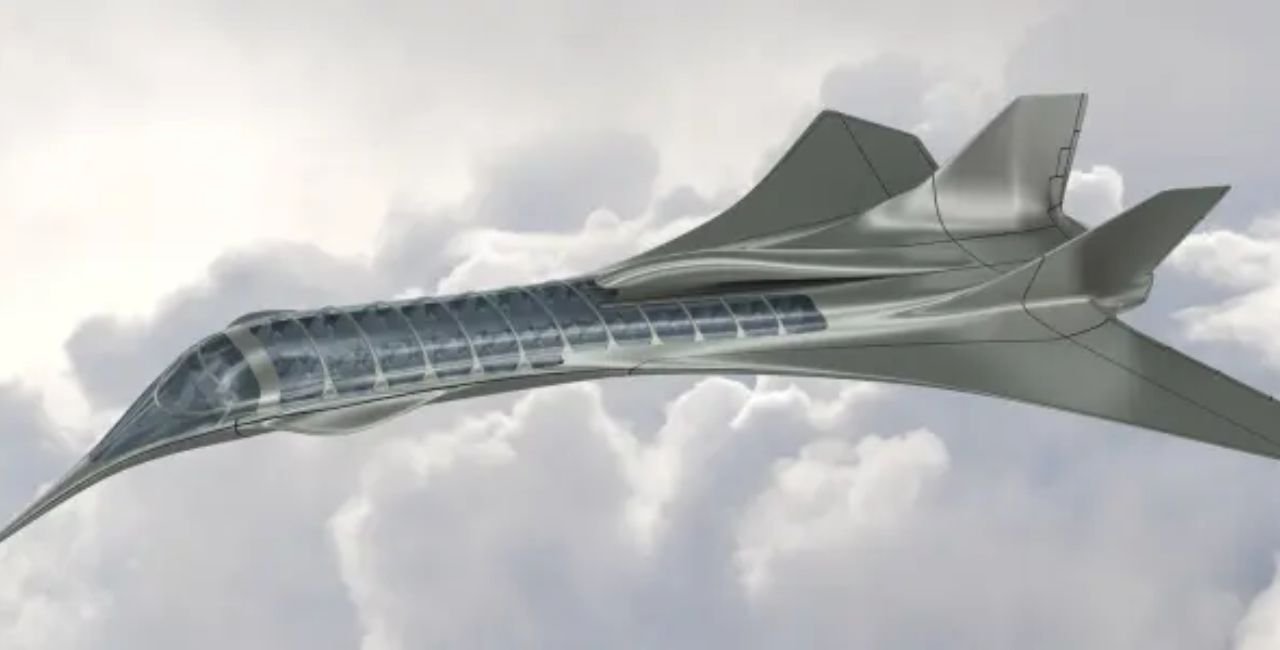
Hypersonic flight means going faster than Mach 5. That’s about 3,800 miles per hour or more. At these speeds, air acts differently. Heat builds up fast from friction. Vehicles must handle extreme pressure too.
NASA explains flight speeds like this:
- Subsonic: Slower than Mach 1 (under 760 mph).
- Supersonic: Mach 1 to 5 (760 to 3,800 mph).
- Hypersonic: Over Mach 5.
Why does this matter? Hypersonic vehicles can cross oceans in hours. They help in defense by outpacing threats. But building them is tough. Engines need to start and stop reliably. Materials must not melt under heat. The Talon-A tackles these issues as a testbed. It flies, lands, and flies again. This reusability cuts costs and speeds up testing.
Lockheed Martin notes that hypersonic vehicles face huge pressures. At low altitudes, it’s like an elephant on your foot. So, they fly high, above 50,000 feet. This reduces drag but adds design challenges. Engineers use special shapes and coatings to manage heat.
History of Hypersonic Vehicles
Hypersonic tech started after World War II. In 1949, the U.S. tested the Bumper rocket. It hit Mach 6.7, the first human-made object at hypersonic speeds. But it burned up on reentry.
In the 1950s, the X-15 rocket plane flew. Pilots reached Mach 6.7 and 354,000 feet. This gave data on heat and control. NASA and the Air Force learned a lot from 199 flights.
The 1960s saw space capsules like Apollo reenter at hypersonic speeds. They hit Mach 36. Heat shields protected them. This tech influenced modern designs.
In the 1980s, NASA dreamed of a hypersonic plane. The National Aerospace Plane aimed for Mach 25. It led to the X-30, but costs stopped it. Still, it sparked scramjet research.
The 2000s brought the X-43A. It flew at Mach 9.6 for 10 seconds using a scramjet. This air-breathing engine uses oxygen from the air, saving weight.
Today, the Talon-A builds on this. Launched from the Roc plane, it tests hypersonic flight. The Roc has a 385-foot wingspan, the world’s largest. Talon-A first flew powered in 2024. By 2025, it achieved Mach 5+ multiple times.
Countries like China and Russia race ahead. The U.S. invests billions. The Pentagon’s 2025 budget includes $6.9 billion for hypersonics. This pushes companies like Ursa Major to innovate.
What Makes the Talon-A Special?
Stratolaunch designed the Talon-A as a reusable test vehicle. It flies autonomously. No pilot needed. This cuts risk and cost.
Key features:
- Length: About 28 feet.
- Wingspan: 11 feet.
- Weight: Around 6,000 pounds at launch.
- Speed: Over Mach 5.
- Altitude: Up to 200,000 feet.
- Payload: Customizable for tests.
The Talon-A drops from the Roc carrier. Then its engine ignites. It accelerates to hypersonic speeds. After, it glides to a runway landing. This recovery lets teams reuse it.
In 2024, the TA-1 flew 200 seconds. It splashed down in the ocean. But TA-2 landed on a runway in 2025. This was historic: the first reusable hypersonic vehicle to hit Mach 5 and return.
Stratolaunch says it collected hours of data. This helps refine designs. The vehicle tests payloads for defense. It’s part of the MACH-TB program. This aims for weekly hypersonic tests.
Compared to past vehicles:
- X-15: Manned, not reusable like Talon-A.
- X-43: Expendable, short flights.
- Talon-A: Reusable, longer tests.
This shift to reusability reassures developers. It means faster progress without building new vehicles each time.
The Role of H13 Engines in Hypersonic Vehicle Talon-A
The h13 engines hypersonic vehicle talon-a core is the H13 engine. Ursa Major makes it. It’s an upgrade to the Hadley.
Hadley specs:
- Thrust: 5,000 pounds.
- Fuel: Liquid oxygen and kerosene.
- Cycle: Oxygen-rich staged combustion.
- Reusable: Yes, for multiple starts.
The H13 adds more starts. This boosts reusability. It flies twice as many missions. Cost per flight drops.
In 2025, Ursa Major got a $32.9 million contract. They deliver 16 H13 engines to Stratolaunch. This supports more tests.
How it works:
- Ignition: After drop from Roc, engine fires.
- Acceleration: Pushes Talon-A to Mach 5+.
- Sustain: Holds speed for data collection.
- Shutdown: Allows glide to landing.
The engine handles hypersonic stresses. Heat, vibration, pressure. Ursa uses advanced metals. Additive manufacturing speeds production.
Dan Jablonsky, Ursa Major CEO, says: “This supports U.S. hypersonic infrastructure. We get capability into the field faster.”
The H13 fits small vehicles. It’s for hypersonics and space. Phantom Space plans to use it too.
Challenges in Developing Hypersonic Engines
Hypersonic engines face big hurdles. Heat is the top one. At Mach 5, surfaces hit 1,500°C. Engines must cool without failing.
NASA notes thermal management is key. Use ceramics or coatings. Active cooling pumps fuel through walls.
Propulsion is tricky. Ramjets work at supersonic. Scramjets for hypersonic. But starting them needs boost.
Airflow control:
- Compress air without slowing too much.
- Mix fuel efficiently.
- Avoid flameout.
Materials degrade in oxygen-rich air. Oxidation and ablation change shapes.
Maneuverability: High speeds limit turns. Plasma forms, blocking signals.
U.S. tests show issues. Some flights fail due to heat. But Talon-A succeeds by reusing and learning.
To overcome:
- Test often: Like MACH-TB.
- Model digitally: Simulate before build.
- Collaborate: Companies like Ursa and Stratolaunch team up.
These steps reassure that progress is steady.
Achievements and Milestones
The h13 engines hypersonic vehicle talon-a has wins.
In 2024:
- First powered flight: TA-1 ignites Hadley, flies 200 seconds.
- High-supersonic test.
In 2025:
- TA-2 flies Mach 5+ twice.
- First recovery and reuse.
- Sustained hypersonic with landing.
Ursa Major’s Hadley flew three times in 2024-2025. It proved reliable.
Stats:
- Speed: Over 3,800 mph.
- Missions: Multiple per vehicle.
- Cost save: Reusability cuts expenses by 50%.
These boost national security. The DoD uses Talon-A for missile tests.
Compared to rivals: Russia’s Avangard hits Mach 20. China’s DF-17 glides hypersonically. U.S. focuses on reusable tech.
Future of Hypersonic Technology
What’s next for h13 engines hypersonic vehicle talon-a?
More tests: Stratolaunch plans weekly flights. H13 enables this.
New engines: Ursa develops Draper. It’s storable, for tactical use.
Commercial: Hypersonic travel? London to New York in 90 minutes. But challenges remain.
Military: Interceptors, scouts. Faster response.
NASA eyes hypersonics for Mars entry. Heat shields evolve.
Investments grow. Budgets rise. Companies hire more engineers.
Tips for following:
- Watch Ursa Major and Stratolaunch sites.
- Read NASA reports on flight regimes.
- Join aerospace forums.
This field evolves fast. It promises safer, quicker global reach.
H13 Engines Hypersonic Vehicle Talon-A in Action: Case Studies
Look at real flights.
December 2024: TA-2 first hypersonic. Exceeds Mach 5. Lands at Vandenberg.
March 2025: Second flight. Collects more data. Reuses vehicle.
These show H13’s strength. Extra starts allow complex profiles.
Data helps: Refine materials, improve controls.
How Hypersonic Vehicles Impact National Security
Hypersonics change defense. They evade radars. Strike fast.
U.S. needs testbeds like Talon-A. H13 provides power.
Programs: ARRW, HACM. They use similar tech.
Reassuring: U.S. leads in reusability. This means sustainable advantage.
Breaking Down Hypersonic Engine Design
Engineers design in steps.
- Choose cycle: Staged combustion for efficiency.
- Select fuel: Kerosene for storability.
- Test components: Turbopumps, nozzles.
- Integrate: With vehicle avionics.
- Fly and iterate: Use data to upgrade.
Bold terms: Thrust vectoring controls direction. Specific impulse measures efficiency.
H13 excels here. 6,500 lbf in vacuum variant.
Materials in Hypersonic Vehicles
Heat demands special materials.
- Ceramics: Withstand 2,000°C.
- Alloys: Like Invar for stability.
- Coatings: Prevent oxidation.
Talon-A uses these. Protects engine and body.
Research: NASA tests in wind tunnels. Simulates Mach 10.
Environmental Considerations
Hypersonics use fuel. But reusability reduces waste.
Kerosene is common. Green options emerge.
High-altitude flights minimize noise.
Comparing Hypersonic Vehicles Worldwide
U.S.: Talon-A, reusable.
Russia: Kinzhal, Mach 10 missile.
China: Starry Sky-2, waverider.
U.S. edge: Testing frequency.
Training for Hypersonic Engineers
Want to help? Study aerospace.
- Degrees: In engineering.
- Skills: CFD modeling.
- Jobs: At Ursa, NASA.
It’s rewarding. Builds future flight.
Economic Impact of Hypersonic Development
Investments create jobs. Colorado hubs like Berthoud grow.
Contracts: $32.9M for H13.
Broader: Boosts manufacturing.
Safety in Hypersonic Testing
Tests over ocean or ranges. Autonomous reduces risk.
Recovery: Ensures data safety.
Integration with Other Tech
AI controls flights. Sensors collect data.
Drones complement.
Potential Civilian Applications
Beyond military: Fast cargo. Medical aid.
Dream: Passenger hypersonics.
Challenges: Cost, regulations.
FAQs
What is the h13 engines hypersonic vehicle talon-a?
It’s an upgraded engine powering the reusable Talon-A for Mach 5+ tests.
How fast does the Talon-A go?
Over Mach 5, or 3,800 mph.
Why is reusability important in hypersonic vehicles?
It lowers costs and allows quicker testing cycles.
What challenges do hypersonic engines face?
Extreme heat, airflow management, and material durability.
How does the H13 improve on previous engines?
More starts for better reusability and mission flexibility.
Conclusion
The h13 engines hypersonic vehicle talon-a marks a leap in aerospace. Ursa Major’s H13 powers Stratolaunch’s Talon-A, achieving reusable Mach 5+ flights. From history like the X-15 to modern tests, this tech overcomes heat and speed challenges. It boosts defense, creates jobs, and promises faster global travel. Progress is reassuring—steady investments drive innovation. What do you think the next big hypersonic breakthrough will be?
References
- Ursa Major Awarded $32.9M Contract to Deliver 16 Upgraded Hadley Engines – Details the contract and engine upgrades for hypersonic testing, targeting aerospace professionals and defense enthusiasts.
- Cleared for Takeoff: The Hypersonic Flight Era – Explains hypersonic challenges with analogies, aimed at general readers interested in aviation history.
- What Is Supersonic Flight? (Grades 5-8) – Defines flight regimes simply, for students and educators learning basics.